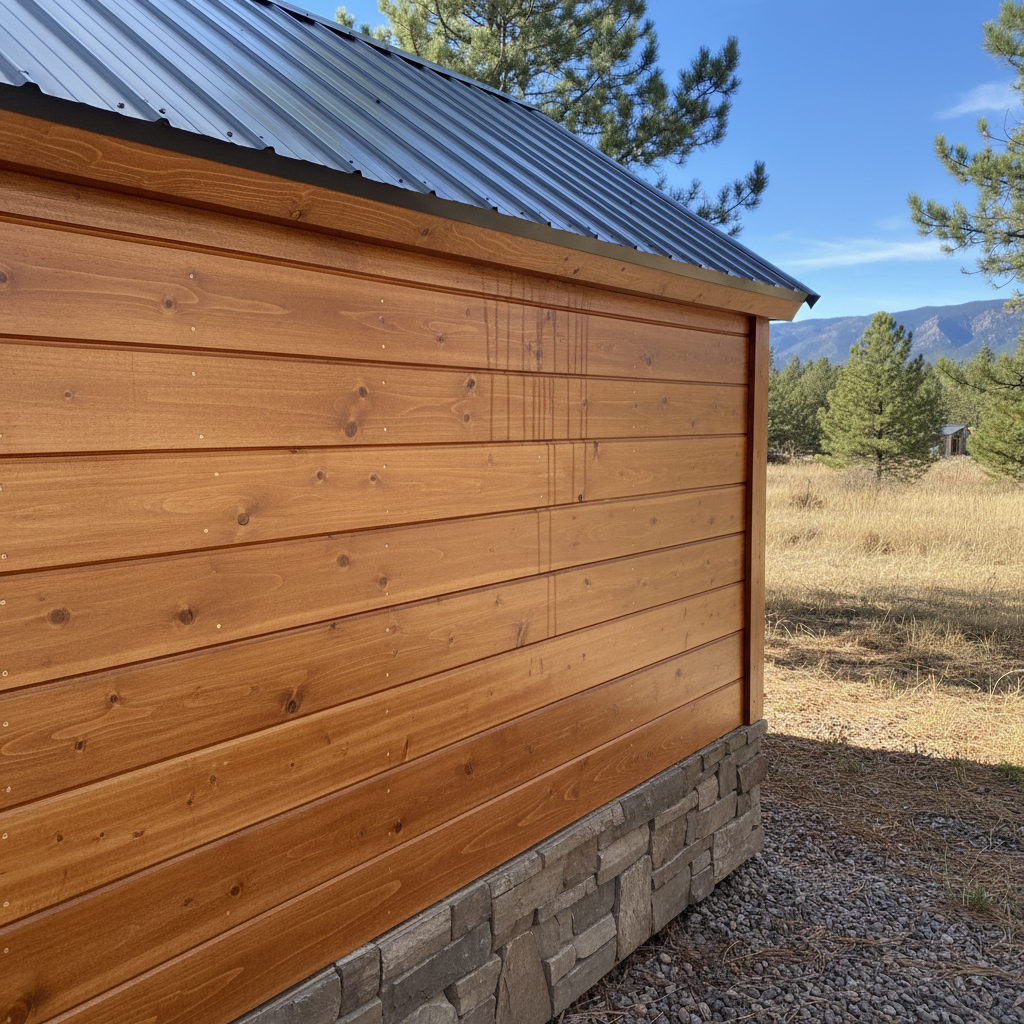
Can I just plop a tiny home down on my property in Loveland?
That's usually the first thing folks ask, and it's a good one. The short answer is: probably not as a permanent dwelling without jumping through some hoops. Loveland, like most cities, has zoning ordinances that dictate what you can build and live in. A tiny home on a foundation might be treated like any other small house, subject to minimum square footage requirements, setbacks, and utility connections. If it's on wheels, it's generally considered an RV. You can park an RV on your property for a limited time, but you can't live in it full-time unless it's in an approved RV park or campground. We're not seeing a lot of dedicated tiny home communities pop up around here yet, so most folks are looking at them as accessory dwelling units (ADUs) or for temporary use.
What's the deal with ADUs and tiny homes? Are they the same?
Not exactly, but they can overlap. An ADU, or Accessory Dwelling Unit, is a secondary housing unit on a single-family residential lot. Think of it as a mother-in-law suite, a detached garage apartment, or a backyard cottage. Loveland does allow ADUs, but they have specific requirements. They need to be permanently affixed to the ground, meet building codes, and usually have a minimum size. A tiny home on a foundation could potentially qualify as an ADU if it meets all the city's criteria for size, utilities, and appearance. A tiny home on wheels almost certainly won't qualify as a permanent ADU.
Do tiny homes save money on utilities here in Colorado?
Absolutely, they can be incredibly efficient, especially with our Loveland weather. Smaller spaces mean less to heat in the winter and less to cool in the summer. If you build or buy a well-insulated tiny home, you'll see a big difference in your energy bills. We get some pretty cold snaps and hot spells, so good insulation, efficient windows, and smart appliance choices are key. You're heating or cooling a fraction of the square footage compared to a traditional home, so your furnace or AC unit doesn't have to work nearly as hard. Plus, if you go off-grid with solar or rainwater collection, your savings can be even more dramatic.
What about financing? Can I get a regular mortgage for a tiny home?
This is where it gets tricky. If your tiny home is on a permanent foundation and meets all local building codes, it *might* qualify for a traditional mortgage, but it's not a given. Lenders often have minimum square footage requirements, and many tiny homes fall below that. For tiny homes on wheels, you're usually looking at RV loans, personal loans, or sometimes even chattel mortgages. Interest rates for these types of loans are typically higher than a traditional mortgage. It's a different financial ballgame, so you'll want to talk to lenders who specialize in these kinds of properties early in your planning.
Are tiny homes built to the same codes as regular houses?
It depends on how they're classified. If it's a tiny home on a permanent foundation and intended as a primary residence, it generally needs to meet the same residential building codes as any other house in Loveland. This means permits, inspections, and adherence to the International Residential Code (IRC). If it's built on a trailer and classified as an RV (Recreational Vehicle), it needs to meet RVIA (Recreational Vehicle Industry Association) standards, which are different from residential building codes. This is a crucial distinction because RVIA standards are less stringent than IRC. Make sure you know which standard your tiny home is built to, especially if you plan to live in it full-time.
What kind of maintenance does a tiny home need?
Just like any home, a tiny home needs regular maintenance, but often on a smaller scale. If it's on wheels, you'll have to think about tire pressure, axle maintenance, and keeping the undercarriage protected from rust, especially with our snowy winters. For any tiny home, you've still got roofs, siding, plumbing, and electrical systems that need attention. Because space is at a premium, things like water heaters or HVAC units might be smaller or less accessible, so understanding their specific maintenance needs is important. We've helped folks with custom sheds and small structures at Loveland Shed Solutions, and the principles are the same: good construction and regular upkeep prevent bigger problems down the road.
Is it hard to get insurance for a tiny home?
It can be a bit more challenging than insuring a traditional home, but it's definitely possible. If your tiny home is on a permanent foundation and meets local building codes, it might qualify for a standard homeowner's policy. If it's on wheels and considered an RV, you'll need RV insurance. Some specialized insurance companies are starting to offer policies specifically for tiny homes, whether they're on wheels or foundations. The key is to be very clear with your insurance agent about how your tiny home is built, where it's located, and how you plan to use it. Don't assume a standard policy will cover it.