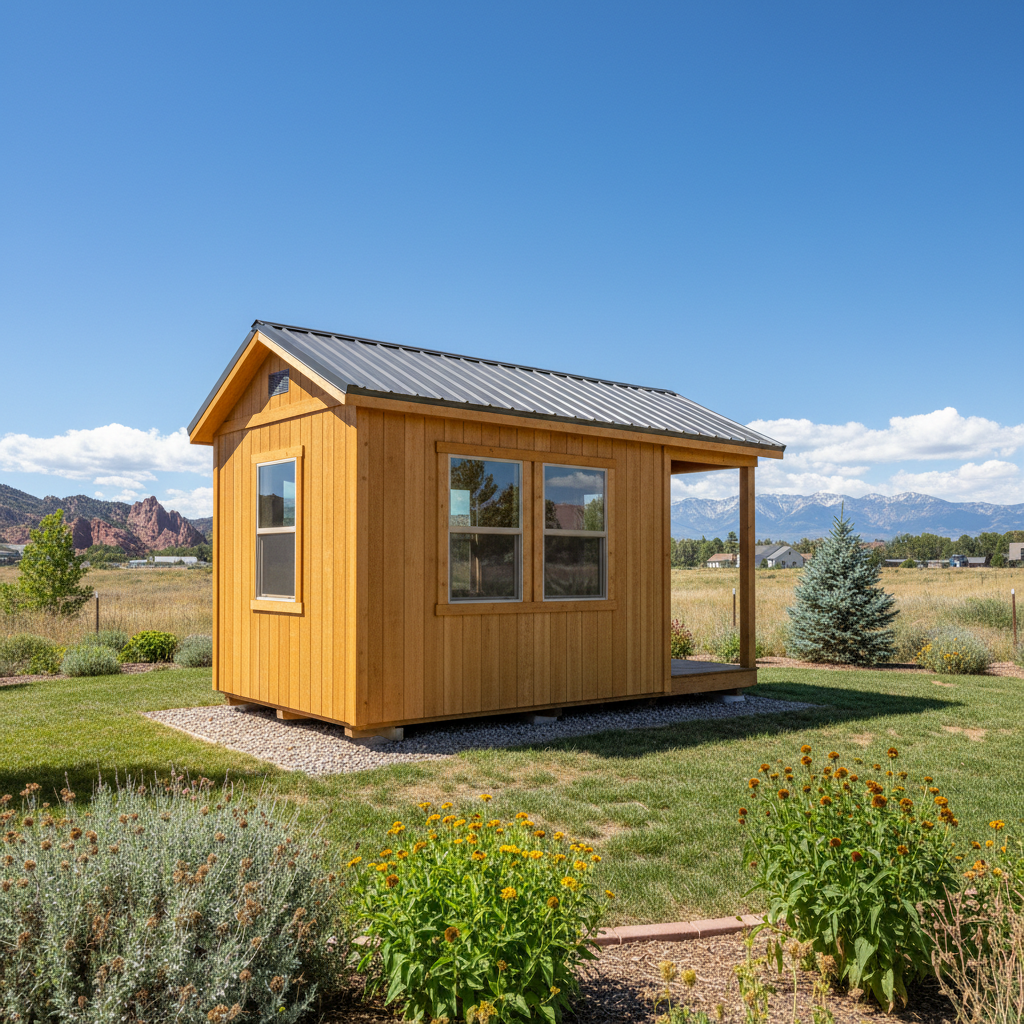
So, you've got yourself a tiny home here in Loveland. That's fantastic! Whether it's a permanent foundation or on wheels, you've invested in a unique lifestyle. But just like any home, tiny or not, it needs some love and attention to keep it solid and comfortable for years to come. I've seen a lot of structures come and go, and the ones that last are the ones that get taken care of. It's not rocket science, but it is consistent work.
Extending Your Tiny Home's Lifespan
The biggest thing you can do to extend the life of your tiny home, especially around here, is to protect it from the elements. Our Colorado weather can be brutal – hot sun, heavy snow, hailstorms, and those crazy temperature swings. It's a lot for any building to handle, let alone a smaller one that might have more exposed surfaces.
- Roofing is King: Your roof is your first line of defense. For tiny homes, especially those with low-slope roofs, water can be a real enemy. Make sure your roofing material is top-notch and installed correctly. I'm talking about good quality metal, TPO, or even asphalt shingles designed for our climate. Clear off snow regularly in winter; don't let it sit and melt unevenly. Check for loose flashing or sealants around vents and skylights every spring and fall.
- Exterior Finishes Matter: Whether it's siding, paint, or stain, keep it in good shape. Our intense UV rays will fade and crack anything that's not protected. Repaint or re-stain every few years, or as soon as you see peeling or dullness. This isn't just about looks; it's about sealing out moisture.
- Foundation and Skirting: If your tiny home is on a foundation, make sure drainage is good around it. If it's on a trailer, your skirting is crucial. It protects your plumbing from freezing and keeps critters out. Check for gaps, cracks, or damage to the skirting regularly. In winter, consider adding extra insulation inside the skirting.
- Ventilation is Key: Tiny spaces can get humid fast. Make sure your bathroom fan works well and use it. Open windows when the weather allows. Good airflow prevents mold and mildew, which can quickly become a big problem in a small space.
Regular Maintenance: Your Tiny Home Checklist
Think of this as your seasonal tune-up. A little bit of work often saves you a lot of headache and money down the road.
- Monthly: Check smoke and carbon monoxide detectors. Clean out your dryer vent – a common fire hazard in any home, tiny or not. Look for any signs of leaks under sinks or around toilets.
- Quarterly: Clean gutters and downspouts. This is huge. Clogged gutters mean water overflowing and potentially damaging your siding, foundation, or even getting into your walls. Test all your GFCIs. Check your fire extinguisher's pressure gauge.
- Annually (Spring/Fall): Inspect your roof for damage, loose shingles, or sealant issues. Check all exterior caulking around windows and doors; reapply where needed. Inspect your siding for cracks, rot, or insect damage. Check your plumbing for leaks or drips. Clean out your water heater (if you have one) to prevent sediment buildup. Inspect your HVAC filters and replace them. If you're on a well, get your water tested.
- Every Few Years: Have your electrical system checked by a pro. Get your septic system (if applicable) pumped and inspected. Repaint or re-stain exterior surfaces.
Warning Signs You Can't Ignore
Your tiny home will usually tell you when something's wrong. You just have to listen.
- Water Stains: Any discoloration on ceilings, walls, or floors is a red flag. It means water is getting in where it shouldn't. Don't ignore it, even if it's small.
- Musty Smells: Especially in small spaces, a persistent musty odor often points to mold or mildew, usually from a hidden leak or poor ventilation.
- Drafts: Feeling cold air coming from around windows, doors, or outlets means your insulation or seals are failing. This drives up energy bills and makes your home less comfortable.
- Cracks: Small hairline cracks in drywall are often normal, but large or spreading cracks, especially around doorframes or windows, could indicate structural movement.
- Pest Evidence: Droppings, chewed wires, or strange noises in the walls mean you've got unwanted tenants. Deal with them fast; they can cause significant damage.
- Flickering Lights or Tripping Breakers: These are electrical issues and need immediate attention. Don't mess around with electricity.
When to Call a Professional
Look, I'm a contractor, so I'm a big believer in DIY when it's safe and within your skill set. But some things are best left to the pros. You don't want to turn a small problem into a huge, expensive one.
- Roof Leaks: If you've got an active leak and you can't easily find and fix the source, call a roofing contractor. Water damage spreads fast.
- Electrical Issues: Any persistent flickering, burning smells, or frequently tripping breakers means you need an electrician. Period.
- Plumbing Nightmares: If you have a burst pipe, a major sewage backup, or a water heater that's acting up, call a plumber. Water damage is no joke.
- Structural Concerns: Those big cracks I mentioned? Or sagging floors/ceilings? Get a structural engineer or an experienced general contractor in there ASAP.
- HVAC Problems: If your heating or cooling isn't working, or you smell gas, call an HVAC tech.
- Persistent Pests: If you've tried DIY pest control and they keep coming back, it's time for an exterminator.
Maintaining a tiny home in Loveland isn't much different than maintaining a bigger one, just on a smaller scale. The key is diligence and knowing when to call in the cavalry. A little proactive care goes a long way in keeping your tiny home a comfortable, safe, and valuable asset. If you're ever wondering about a repair or need a hand with a shed or garage project, give Loveland Shed Solutions a call. We're always happy to talk shop.