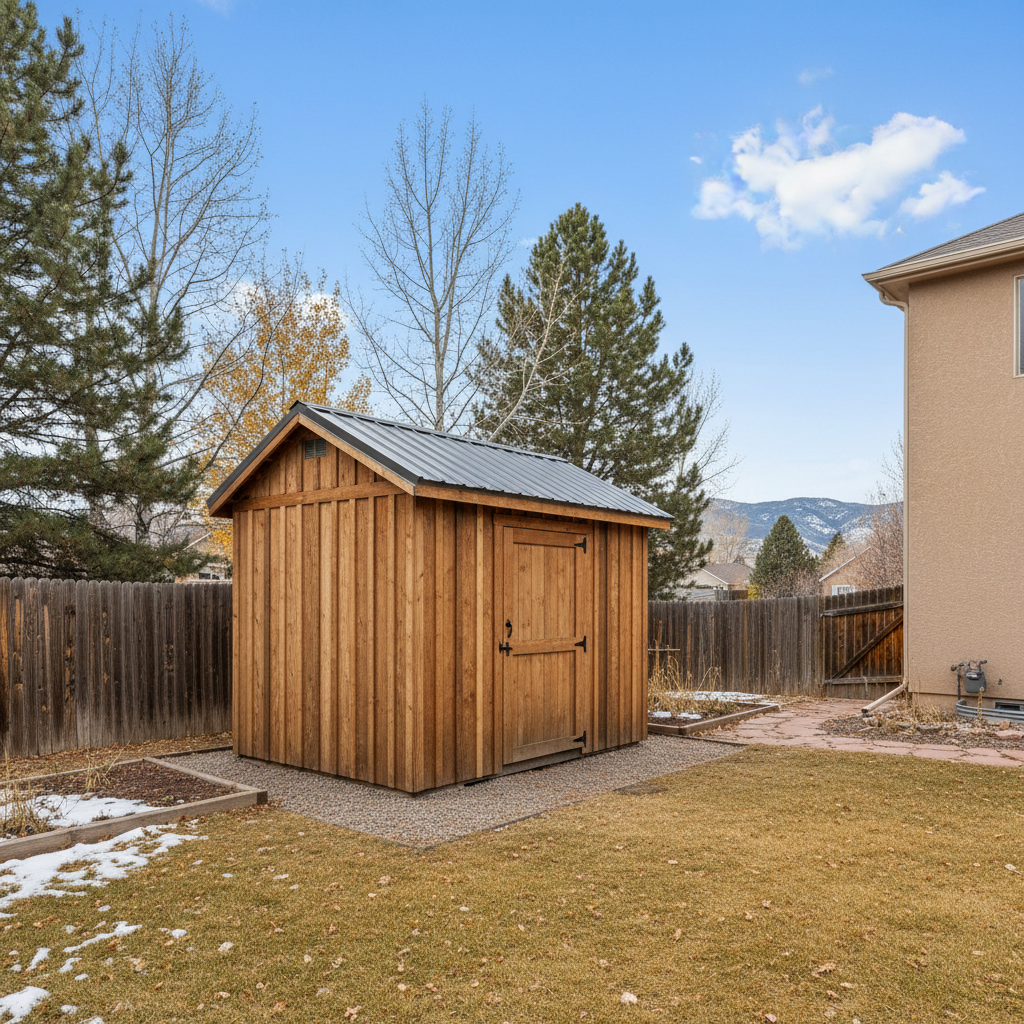
Ever wonder why your shed seems to take a beating faster than your house? It's not just your imagination. Sheds, especially the ones you build yourself or buy off-the-shelf, often get less attention than they need. And let's be honest, Loveland's climate doesn't pull any punches. I've seen plenty of sheds around here, from the older ones in the Orchards to brand-new builds, and they all face pretty much the same challenges.
When's the Best Time for Your Loveland Shed Project?
So, when's the best time to build or set up a shed? Most folks think spring or summer, and they're not wrong, but there's more to it than just that. Spring can be great, sure, but we get those unpredictable late snows and heavy rains. You really don't want to be pouring a foundation or painting in a downpour, do you? Summer gives you long, dry days, which is perfect for concrete curing, framing, and painting. But it also means scorching sun. If you're working with treated lumber, direct sun can cause it to warp or check if it's not covered or installed quickly.
Fall, before the ground freezes solid, is often my favorite. The temperatures are usually milder, and you get fewer sudden thunderstorms than in summer. The ground's often drier too, which makes digging and leveling a lot easier. Winter? Unless you're doing a pre-fab kit on an existing foundation or have an enclosed space, I'd generally say hold off. Dealing with frozen ground, snow, and numb fingers just slows everything down and can compromise your work.
Weather Conditions That Really Matter for Shed Work
You might think, 'it's just a shed, how much can the weather affect it?' A lot, actually. Here's what I've learned over the years:
- Moisture: This is the big one. If you build with wet wood, it can warp, twist, and mold down the line. When you're painting or sealing, you need dry conditions for proper adhesion and curing. Don't rush it. Those humid summer days right after a rain? Not ideal for painting.
- Temperature: Extreme heat or cold affects materials. Concrete needs specific temperatures to cure correctly, otherwise it'll crack. Adhesives, caulk, and paint all have temperature ranges where they work best. Trying to apply caulk when it's 30 degrees out just won't work right.
- Wind: Loveland can get windy, especially during those spring and fall gusts. Trying to put up siding or roofing in high winds isn't just dangerous; it can lead to crooked panels or materials that aren't fastened properly. I've seen roof shingles ripped off before they even had a chance to seal down.
- Sun Exposure: Direct, intense sun can dry out wood too fast, causing cracks. It can also make some materials, like asphalt shingles, too hot to handle or install correctly. Work in the shade when you can, or plan your day to avoid the hottest hours.
Protecting Your Shed Investment Year-Round
So, you've got your shed built. Now what? The work isn't over. Protecting your investment means regular maintenance. Here's what I tell my clients at Loveland Shed Solutions:
- Foundation First: Make sure water drains away from your shed. If you've got a gravel pad, check that the gravel hasn't shifted and created low spots. For concrete slabs, ensure there are no cracks allowing water to seep under. Good drainage prevents rot and keeps the floor dry.
- Sealants and Paint: This is your shed's skin. Inspect it annually, usually in late spring or early fall. Look for peeling paint, cracked caulk around windows and doors, or any spots where the wood looks exposed. Reapply paint or sealant as needed. A good quality exterior paint or stain will last longer and protect better, too.
- Roofing Check: Our hailstorms here can be brutal. After every major storm, or at least once a year, get up there (safely!) and check your shingles. Look for missing, cracked, or curled pieces. Replace them promptly. Also, clear any debris like leaves or branches that can trap moisture.
- Ventilation: People often overlook this. Good airflow prevents condensation, which leads to mold and rot. Make sure your vents aren't blocked, and consider adding more if you notice a musty smell or dampness inside.
- Door and Window Hardware: Lubricate hinges and latches annually. Check weatherstripping around doors and windows. Replace anything that's cracked or worn to keep out moisture and critters.
- Pest Control: We've got plenty of critters in Northern Colorado who'd love to call your shed home. Seal up any gaps or holes, especially near the foundation. Keep the area around your shed clear of tall grass and debris that can attract pests.
Your shed works hard for you, storing everything from lawnmowers to holiday decorations. A little preventative maintenance goes a long way in extending its life and keeping your stuff safe and dry. Don't wait until you've got a problem; stay ahead of Loveland's weather, and your shed will thank you for it.