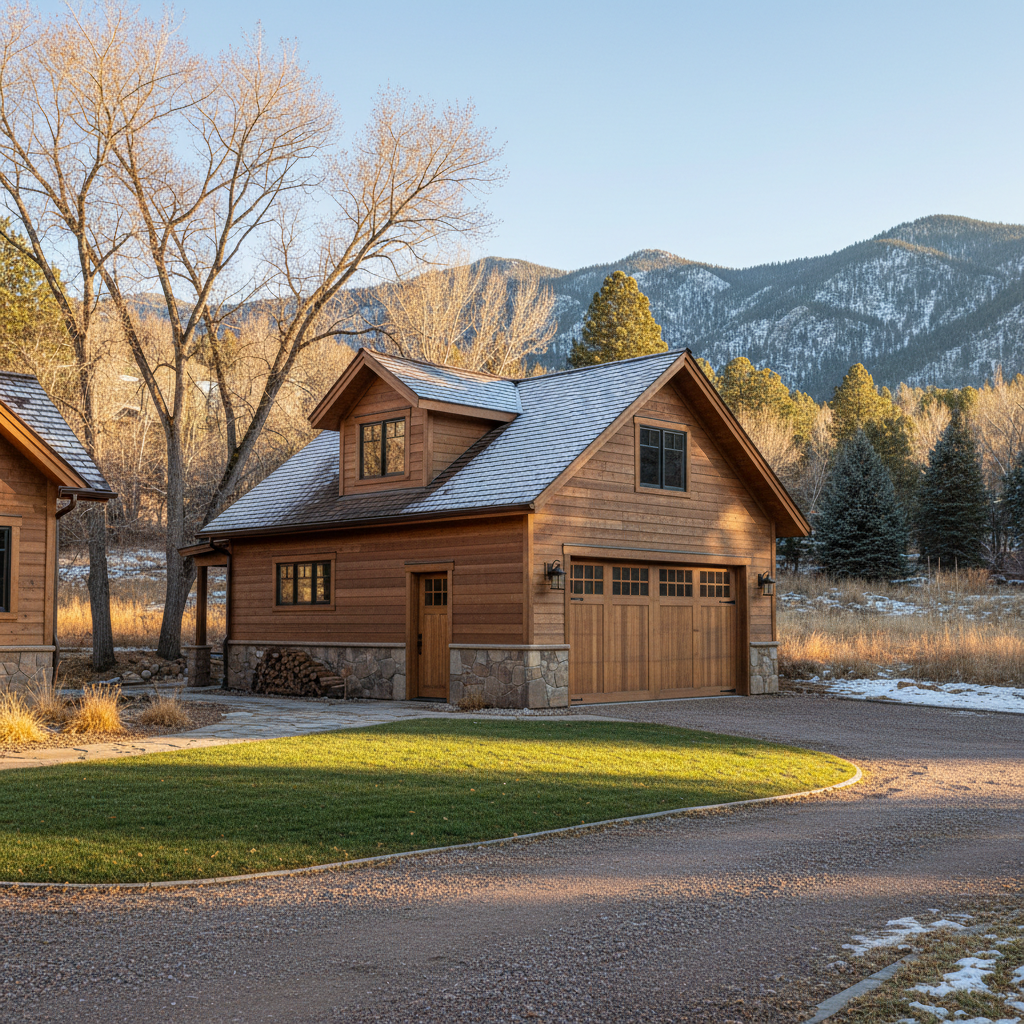
Building a shed here in Loveland isn't just about picking a design and getting it done. Our weather, from those hot, dry summers to the cold, snowy winters, really dictates when you should schedule your project and what you need to consider for its long-term health. I've seen a lot of sheds go up, and a few that didn't quite make it because folks didn't plan for our unique climate.
Timing Your Shed Project Right
You might think summer's the obvious choice for building, and for some things, it is. But it's not always the best for every part of a shed project. For instance, if you're pouring a concrete slab for your foundation, you want consistent temperatures. Early fall or late spring can be ideal for that. You avoid the extreme heat that can cause concrete to cure too quickly and crack, and you're generally past the hard freezes that can mess with fresh pours.
Digging and site prep are usually easier when the ground isn't frozen solid. Trying to dig footings in January when the frost line is down a couple of feet? That's a pain, and it adds to labor costs. I'd recommend aiming for late spring through early fall for the bulk of the construction. It gives you good daylight hours and generally more predictable weather.
Loveland's Weather: What to Watch For
Our weather here in Loveland can be a real mixed bag, sometimes all in one day! Here's what I always tell my clients to keep in mind:
- Spring (March-May): This is when we can get those crazy temperature swings. One day it's 70 degrees, the next it's snowing. High winds are also common. If you're framing, you've got to be ready to secure things quickly or even pause if a big windstorm rolls in. We also get a lot of moisture, which is great for gardens but means you need to protect your materials from rain.
- Summer (June-August): Hot and dry, mostly. Good for painting and drying out lumber, but you need to protect yourself from the sun. The intense UV rays can also start to degrade materials quickly if they're left exposed for too long. Afternoon thunderstorms, especially in July and August, can pop up fast. Make sure your site is prepped for sudden downpours.
- Fall (September-November): Often the sweet spot. Cooler temps, less wind than spring, and usually less rain than summer storms. This is prime time for finishing up exterior work like siding and roofing. You still need to watch for early freezes, especially toward the end of November, but it's generally more stable.
- Winter (December-February): Building in winter is tough. Frozen ground, snow, ice, and bitter cold make everything harder and slower. If you're doing any concrete work, you'll need special cold-weather additives and blankets to protect the pour. It's usually best to have your shed enclosed and roofed before the heavy snows hit.
One thing we see a lot of in areas like the older neighborhoods around downtown or even out towards Boyd Lake is expansive clay soils. If you're putting in a foundation, especially a slab, you've got to account for that soil movement. It's not just about frost heave; it's about the soil swelling when it's wet and shrinking when it's dry. Proper drainage and foundation design are critical here.
Protecting Your Shed Investment Year-Round
Once your shed is built, you can't just forget about it. A little year-round maintenance goes a long way to making sure it lasts. This is where Loveland Shed Solutions really shines, making sure your build is designed for longevity from the start.
- Winter Prep: Before the snow flies, clear out your gutters. Ice dams are no joke and can cause water to back up under your shingles. Make sure your roof is in good shape – check for loose or damaged shingles. If you've got a wood shed, check for any gaps or cracks that critters might use to get in seeking warmth.
- Spring Check-up: After the snow melts, inspect your foundation for any signs of settling or cracking. Check for moisture intrusion around windows and doors. This is a good time to touch up any paint or stain that might have taken a beating over the winter.
- Summer Maintenance: Keep an eye on the landscaping around your shed. You want good drainage away from the foundation. Trim back any tree branches that are rubbing against the roof or siding. The intense sun can fade paint, so plan for re-staining or repainting every few years, especially on south-facing walls.
- Fall Tune-up: This is your last chance to get things buttoned up before winter. Clean those gutters again! Check your weatherstripping around doors and windows. Make sure your vents are clear of debris.
Taking these seasonal considerations into account will save you headaches and money down the road. It's all about understanding our local environment and building smart. If you've got questions about your specific project, don't hesitate to reach out. I'm always happy to share what I've learned working on sheds right here in Loveland.