Got questions about garden sheds? You're not alone. I've been building and installing these things for years here in Loveland, and I hear a lot of the same concerns and curiosities from homeowners. So, I figured I'd put together a straightforward FAQ to clear some things up. No fluff, just honest answers from someone who knows the ins and outs.
What's the best material for a shed in Loveland's climate?
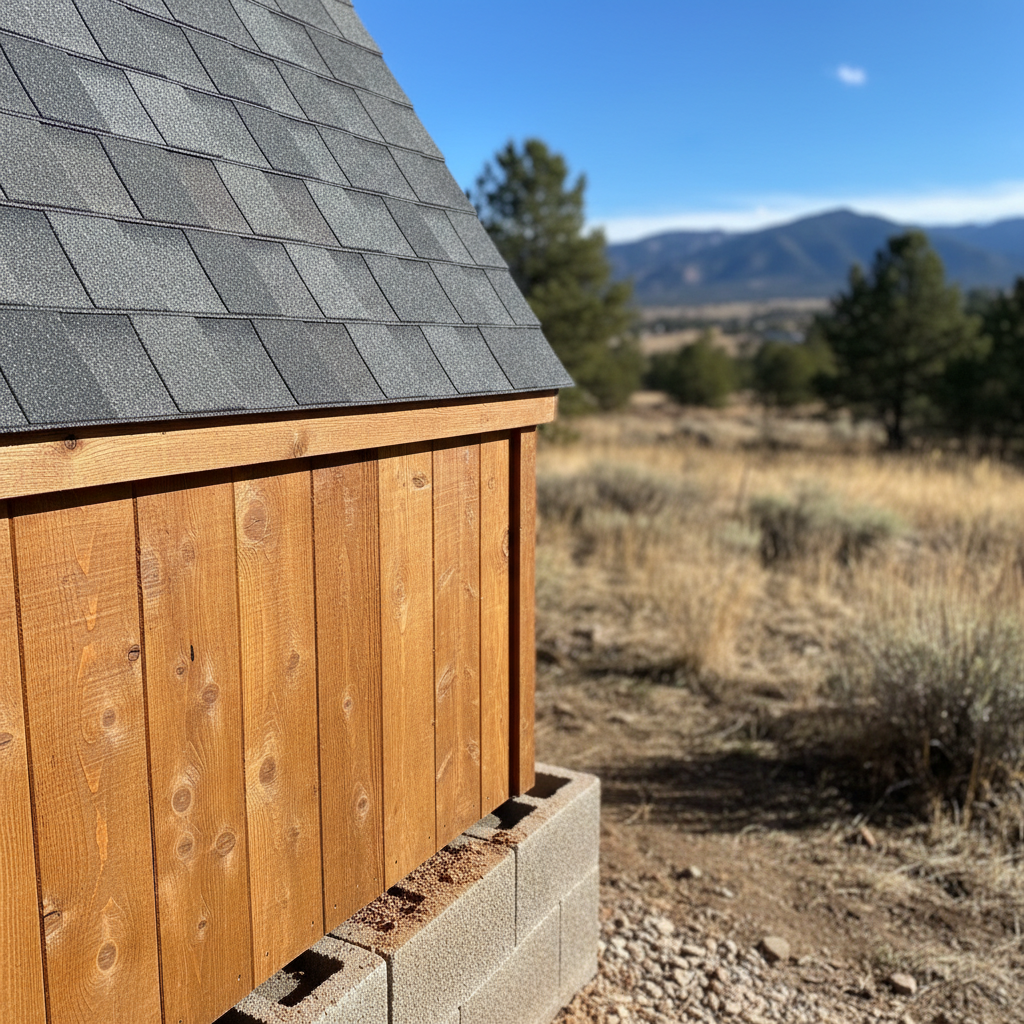
This is a big one, and it really depends on what you're looking for. Here in Loveland, we get a pretty good mix of everything: hot summers, cold winters, and that intense Colorado sun. Plus, we've got those crazy hailstorms sometimes. For walls, I generally recommend treated wood or engineered wood products like LP SmartSide. They hold up really well to the elements, resist rot and pests, and you can paint 'em to match your house. Metal sheds are an option if you're on a tight budget, but they can get super hot inside and might dent easier from hail. Vinyl's okay, but it can get brittle over time with our UV exposure. For the roof, asphalt shingles are a solid choice, just like on your house. They're durable and easy to repair if a branch falls or hail gets 'em. Metal roofs are also great, especially for longevity and shedding snow.
Do I need a permit for a garden shed in Loveland?
Yep, you probably do. The City of Loveland has specific rules about accessory structures. Generally, if your shed is over 120 square feet, you'll need a building permit. Even for smaller sheds, there might be zoning setbacks to consider. You can't just plop it anywhere you want. For example, there are rules about how close it can be to your property line or your main house. It's always best to check with the Loveland Building Division before you start any project. Trust me, it's way easier to get the permit upfront than to deal with fines or having to move a shed later. We always make sure our projects at Loveland Shed Solutions are up to code, so you don't have to worry about it.
How important is the foundation for a garden shed?
Crucial. Absolutely crucial. This isn't something you want to skimp on. A good foundation is what keeps your shed level, prevents moisture from wicking up into the wood, and keeps pests out. Here in Loveland, with our expansive clay soils in some areas, a stable foundation is even more important to prevent shifting. I usually recommend a gravel base with concrete blocks or piers, or a full concrete slab for larger sheds. A gravel base allows for good drainage, which is key. You don't want water pooling under your shed. If you just put it on the bare ground, it'll settle unevenly, the doors will stick, and the whole thing will start to rot from the bottom up. Spend the extra time and money on a solid foundation; it'll save you headaches down the road.
What's the best way to prevent pests in my shed?
Pests love sheds – they're warm, dry, and often full of stuff to nest in. The best defense is a good offense. First, make sure your shed is built tightly. We're talking no gaps around the base, doors, or windows. Use screens on any vents. Second, keep the area around your shed clear. Don't let weeds or brush grow right up against it; that just gives critters a highway in. Store firewood away from the shed. Inside, use airtight containers for anything edible or attractive to pests, like birdseed or pet food. Elevate items off the floor if possible. And honestly, just keeping it tidy goes a long way. Less clutter means fewer places for them to hide. If you do get an infestation, address it quickly before it gets out of hand.
Can I insulate my garden shed? Is it worth it?
You absolutely can, and for many folks, it's definitely worth it. If you plan on spending any real time in your shed – maybe as a workshop, an art studio, or even just for storing temperature-sensitive items – insulation makes a huge difference. It'll keep it cooler in the summer and warmer in the winter. You can use traditional batt insulation in the walls and ceiling, just like in your house. For the floor, you might consider rigid foam insulation under the subfloor. Don't forget about weatherstripping around doors and windows to seal up any drafts. It's an extra cost upfront, but if you're using the shed for anything more than just basic storage, you'll appreciate the comfort and protection it offers your stuff.
How do I choose the right size shed for my needs?
This is where people often go wrong. They buy a shed that's too small, and then they're frustrated. My advice? Go bigger than you think you need. Seriously. You'll always find more stuff to put in it. Think about what you're storing now, but also what you might acquire in the next few years. Are you getting a new riding mower? More gardening tools? A workbench? Don't forget about vertical space – shelves and hooks can make a smaller shed feel much bigger. A good way to visualize it is to lay out your biggest items on your lawn and measure the space they take up. Then add at least 25-50% more space for walkways, future items, and just general elbow room. A 10x12 or 12x16 is a pretty popular size for a good all-around garden shed, but your needs might be different.
Hopefully, this clears up some of those nagging questions you had about garden sheds. Building a shed is an investment in your property and your organization, and getting it right from the start makes all the difference. If you've got more questions, or you're ready to talk about getting a custom shed built for your Loveland home, don't hesitate to reach out to us at Loveland Shed Solutions. We're always here to help.