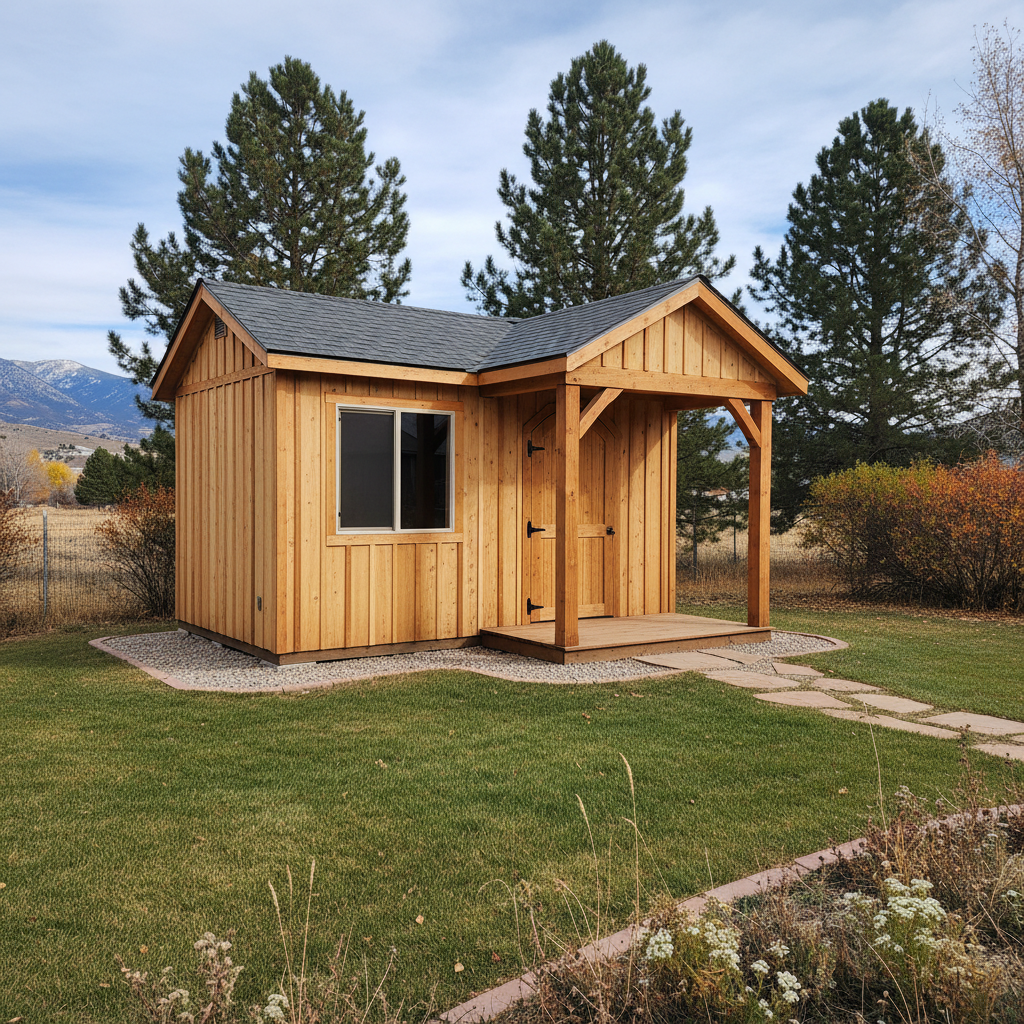
So, you're thinking about adding a shed to your property here in Loveland. Maybe you need more storage, a workshop, or just a quiet place to escape. That's great! A well-built shed can be a fantastic addition. But finding the right person to build it? That's where things can get tricky. As someone who's been in this business for a while, I've seen it all – the good, the bad, and the downright ugly. I want to help you avoid the ugly stuff. Here's what you need to know when you're looking to hire a shed builder.
Questions to Ask Every Shed Builder
You've got to be prepared. Don't just ask, "How much?" That's a good way to get a bad deal. Here are the crucial questions I'd ask if I were in your shoes:
What's your experience with local building codes and permits? This is huge. Loveland has specific rules, especially regarding setbacks and sizes. You don't want a shed that's going to cause problems with the city down the line. A good builder knows this inside and out.
Can I see examples of your previous work? Photos are one thing, but if they can point you to a shed they built locally that you can drive by, even better. It shows confidence in their work.
What kind of materials do you typically use? Are they using pressure-treated lumber for the base? What about the siding and roofing? You want quality materials that can stand up to our Colorado weather – those harsh winters and intense summer sun can really take a toll.
Who will be doing the actual work? Is it them, their employees, or subcontractors? If it's subs, are they licensed and insured too? You need to know who's on your property.
What's your timeline? When can they start, and how long do they expect the project to take? Be realistic, but get a clear idea.
How do you handle changes or unexpected issues? Things come up. A good contractor has a process for communicating and adjusting.
Do you offer any warranty on your work? A reputable builder stands behind their product. Ask about both material and labor warranties.
What to Look For in a Quote
Don't just glance at the bottom line. A quote is more than just a price. It's a detailed breakdown of what you're paying for. Here's what a good one should include:
Detailed Scope of Work: This means everything. Site preparation, foundation type (gravel, concrete slab, skids), framing, siding, roofing, doors, windows, paint/stain, and any interior finishes. It should be specific enough that there's no room for guessing.
Material Specifications: What brand of shingles? What gauge of steel for the roof? What type of siding? Specifics help you compare apples to apples.
Permit Costs: Will they handle the permits, and are the fees included in the quote or extra? Make sure this is clear.
Payment Schedule: How much upfront? When are the progress payments due? What's the final payment contingent upon? A small deposit (10-20%) is typical, but be wary of anyone asking for half or more upfront.
Inclusions and Exclusions: What's definitely in, and what's definitely not? For example, does it include hauling away debris, or is that on you?
At Loveland Shed Solutions, we make sure our quotes are crystal clear. You shouldn't have to guess what you're paying for.
Red Flags to Watch Out For
This is where your gut comes in. If something feels off, it probably is. Trust that feeling.
Pushy Sales Tactics: Anyone trying to pressure you into signing a contract on the spot, or offering a "today-only" discount, is a problem. Good work sells itself.
Unusually Low Bids: If one quote is significantly lower than all the others, be suspicious. They're either cutting corners on materials, labor, or they're going to hit you with a bunch of "unexpected" costs later.
No Contract or Vague Contract: Never, ever agree to work without a written, detailed contract. If it's just a handshake or a few scribbled notes, walk away. Fast.
Cash-Only Demands: While some small businesses prefer cash, if they insist on it exclusively and seem evasive about other payment methods, that's a huge red flag. It often means they're trying to avoid taxes or don't have proper business accounts.
No References or Poor References: If they can't provide references, or if the ones they give you sound hesitant, that's a bad sign. Always call them.
No Insurance: If they don't have liability insurance and workers' compensation, you could be on the hook if someone gets hurt on your property or if there's damage. This is non-negotiable.
How to Verify They're Legitimate
You've got to do your homework. It's not being nosy; it's protecting your investment.
Check for Licensing and Insurance: Ask for proof. Don't just take their word for it. You can often verify general contractor licenses through the City of Loveland's building department or the Colorado Department of Regulatory Agencies (DORA).
Look Them Up Online: Check Google reviews, Yelp, and the Better Business Bureau. While one bad review isn't always a deal-breaker, a pattern of complaints or no online presence at all can be concerning.
Ask for References and Call Them: When you call, ask specific questions: Was the project completed on time and on budget? Were there any unexpected issues, and how were they handled? Would you hire them again?
Verify Their Business Address: A legitimate business usually has a physical address, even if it's a home office. If it's just a P.O. Box and a cell number, dig a little deeper.
Trust Your Gut: Seriously, if you meet them and something just feels off, listen to that feeling. You're going to be working closely with this person, so you need to feel comfortable and confident in them.
Building a shed should be an exciting project, not a stressful one. By asking the right questions, scrutinizing quotes, recognizing red flags, and doing your due diligence, you'll be much more likely to find a reputable builder who delivers a quality shed that lasts for years. We're proud of the work we do at Loveland Shed Solutions, and we want you to have a great experience no matter who you choose.